In recent years, environmental, social and governance (ESG) factors have become a cornerstone of corporate strategy and investor decision-making. ESG reporting, which discloses a company’s performance in these areas, is transforming the corporate landscape. Here are some key facts about the importance of ESG reporting and why Odoo can support companies in meeting these requirements.
As regulatory pressure increases worldwide, many organisations are looking for practical ways to integrate ESG reporting into existing business systems rather than relying on isolated tools.
Wat is ESG?
ESG stands for Environmental, Social and Governance and describes a framework used to assess a company’s sustainability and ethical impact.
E - Environment
Environmental criteria focus on how a company manages its impact on the natural environment, including:
- Energieverbruik en efficiëntie: Het volgen van het totale energieverbruik, het aandeel energie uit hernieuwbare bronnen en verbeteringen in energie-efficiëntie.
- Broeikasgasemissies: Meten en rapporteren van emissies in de categorieën Scope 1, Scope 2 en Scope 3, het stellen van reductiedoelen en het rapporteren van vooruitgang.
- Watergebruik en -beheer: Monitoring van waterverbruik, recyclinginitiatieven en de impact op lokale waterbronnen.
- Afvalbeheer: Rapportage van de totale hoeveelheid geproduceerd afval, recyclinginspanningen en afvalreductieprogramma's.
- Vervuiling en milieu-impact: Beoordeling van lucht- en watervervuiling, bodemverontreiniging en impact op biodiversiteit.
S - Social
The social dimension addresses how a company manages relationships with employees, customers and society:
- Arbeidspraktijken en -omstandigheden: Zorgen voor eerlijke arbeidsomstandigheden, gezondheid en veiligheid op de werkplek en het bevorderen van diversiteit en inclusie.
- Betrokkenheid bij de gemeenschap: Investeren in lokale gemeenschappen en de sociale impact van bedrijfsactiviteiten beoordelen.
- Mensenrechten: Implementeren van beleid ter bescherming van mensenrechten en het voorkomen van schendingen zoals kinderarbeid en gedwongen arbeid.
- Klantrelaties: Zorgen voor productveiligheid en -kwaliteit en het beschermen van klantgegevens en privacy.
- Ontwikkeling van werknemers: Aanbieden van training, onderwijs en carrièreontwikkelingsmogelijkheden.
- Gelijkheid en inclusie: Diversiteit en gelijke kansen bevorderen binnen de werkplek.
G - Governance
Governance criteria focus on how a company is directed and controlled:
- Raadstructuur en -samenstelling: Zorgen voor diversiteit en onafhankelijkheid van de raad van bestuur.
- Ethiek en naleving: Handhaven van robuust beleid tegen corruptie en programma's voor ethisch gedrag.
- Beloning van bestuurders: Het afstemmen van bestuurdersbeloning op bedrijfsresultaten en zorgen voor transparantie.
- Aandeelhoudersrechten: Beschermen van stemrechten van aandeelhouders en het betrekken van minderheidsaandeelhouders.
- Risicobeheer: Integreren van ESG-risico's in het algemene risicobeheer.
- Transparantie en rapportage: Regelmatig openbaar maken van ESG-beleid en -prestaties in lijn met erkende standaarden.
Growing regulatory relevance of ESG reporting
ESG reporting plays a crucial role in promoting transparency, improving risk management, attracting investment, enhancing operational efficiency and ensuring long-term sustainability. The EU-wide Non-Financial Reporting Directive (NFRD) has required certain companies to report on non-financial information since 2014, particularly affecting large companies in the financial sector.
From 2024 onwards, the NFRD is being gradually replaced by the Corporate Sustainability Reporting Directive (CSRD), significantly expanding the scope of companies required to report. All other large companies will follow from 2025, and capital-market-oriented SMEs from 2026.
Hier zijn de belangrijkste wijzigingen:
- Uitgebreide, gestandaardiseerde rapportageverplichting: Bedrijven moeten uitgebreider rapporteren volgens meer uniforme normen. Grotere kwantificering van de rapportage-inhoud door middel van kengetallen moet ook de meetbaarheid en vergelijkbaarheid van de informatie verbeteren.
- Nieuw begrip van materialiteit: Bedrijven moeten rapporteren over de effecten van hun bedrijfsvoering op mensen en het milieu, evenals over hoe duurzaamheidsaspecten het bedrijf beïnvloeden.
- Externe audit: In de toekomst zal duurzaamheidsrapportage, net als financiële rapportage, onderworpen worden aan externe audits. De EU-commissie stelt momenteel de normen vast voor deze audits.
- Onderdeel van het jaarverslag: Duurzaamheidsinformatie wordt een verplicht onderdeel van het jaarverslag.
- Gestandaardiseerd elektronisch rapportageformaat: Vanaf januari 2020 moeten bepaalde beursgenoteerde bedrijven hun jaarrekeningen indienen in het Europese ESEF-format. De CSRD breidt deze vereiste uit naar duurzaamheidsrapportage.
In de VS zijn de regels ook strenger geworden, met nieuwe SEC-klimaatrapportageregels die in maart 2024 zijn aangenomen. De veranderingen vormen een grote uitdaging voor strategische en transparante afstemming, vooral op de lange termijn, maar kunnen ook enorme nieuwe kansen bieden.
ESG, CSRD and ESRS: how they are connected
Under the CSRD, companies are required to report in accordance with the European Sustainability Reporting Standards (ESRS). These standards define specific disclosure requirements, data points and key performance indicators across environmental, social and governance topics.
A central concept introduced by the CSRD is double materiality. Companies must assess and report both:
- how their activities impact people and the environment, and
- how sustainability-related risks and opportunities affect the company’s financial performance.
This shift increases the importance of reliable, structured and auditable ESG data sources.
How Odoo Can Support ESG Reporting
Gaining a comprehensive overview of ESG-related data can be complex and overwhelming. Odoo modules can support companies in this process, particularly with regard to structured ESG reporting.
- Voorraad & productie
Hulp bij het volgen van hulpbronnen en afvalbeheer, waardoor negatieve milieu-impact wordt verminderd
- Projectbeheer
Eenvoudigere consolidatie van projecten en optimalisatie van tijd- en hulpbronnengebruik.
- Human Resources (HR)
Perfect overzicht van medewerkers en diversiteit, optimalisatie van werkruimte en bedrijfscultuur.
- Boekhouding
Transparante en conforme boekhouding, verbetering van budget- en investeringsbeheer.
We hebben al met succes velduitbreidingen en rapporten geïmplementeerd. Hierdoor kan HR-gegevens bijvoorbeeld rechtstreeks in het ESG-rapport stromen zonder gebruik te maken van een extern programma. Dit bespaart tijd en moeite en zorgt tegelijkertijd voor naleving van alle voorschriften.
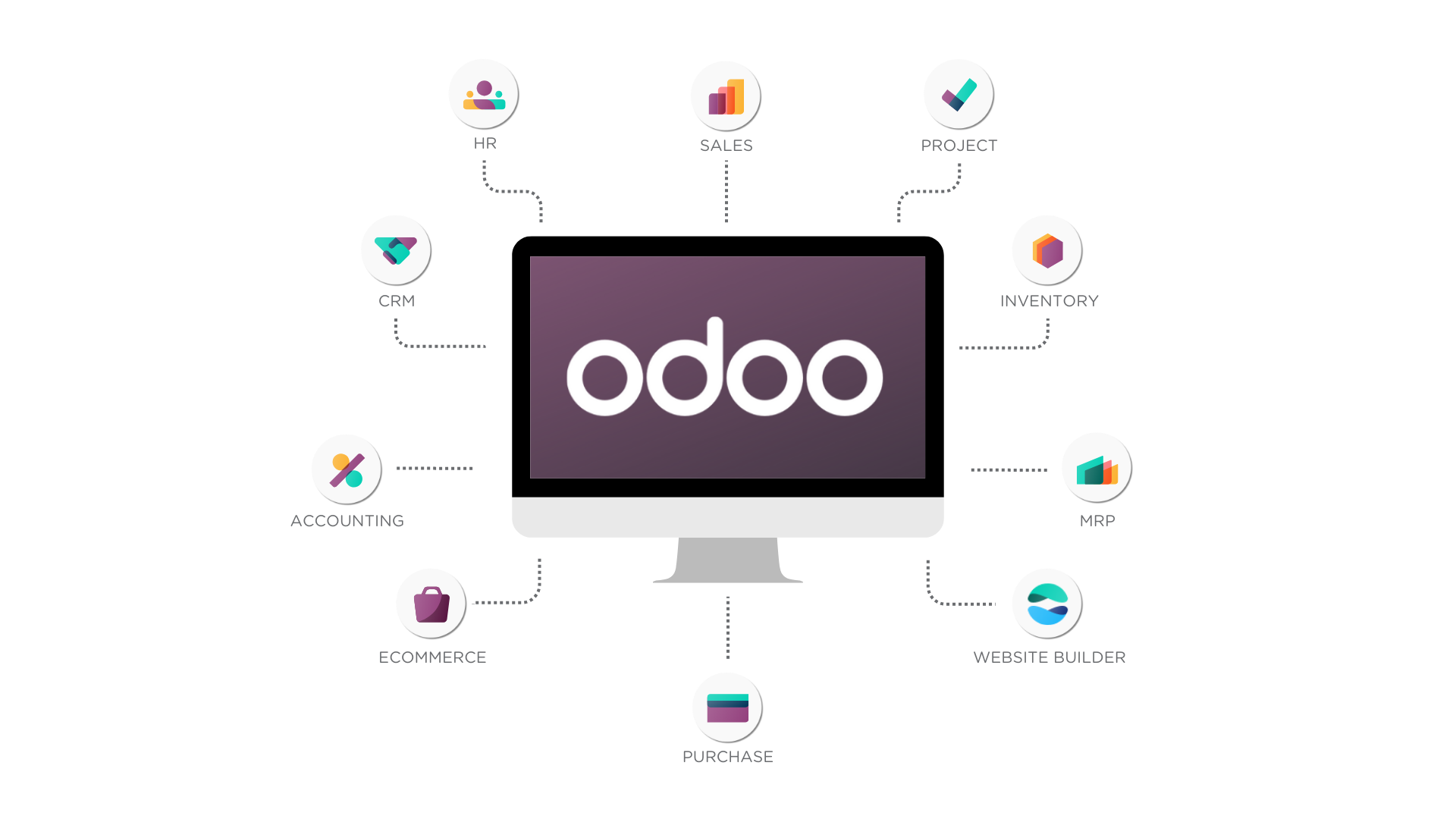
ESG Data From Existing Business Processes
Many ESG-relevant data points already exist within daily business operations. By leveraging existing Odoo modules, companies can derive ESG indicators such as:
- energy and resource consumption,
- workforce and training metrics,
- supplier and procurement data,
- sustainability-related costs and investments.
Custom fields and reports allow these data points to be consolidated without relying on separate ESG tools.
Is there an ESG module in Odoo?
Odoo does not currently provide a standard ESG module. However, ESG reporting can be supported through a combination of existing modules, custom data models, tailored reports and dashboards. This approach allows organisations to adapt ESG reporting to their specific regulatory and operational requirements.
Conclusion
ESG reporting is becoming an integral part of corporate reporting. Regulatory developments such as the CSRD and ESRS are increasing the demand for structured, transparent and auditable sustainability data.
While Odoo is not a dedicated ESG reporting tool, it can play a central role in collecting, consolidating and managing ESG-relevant information. By building ESG reporting on top of existing ERP processes, companies can create a scalable foundation that supports both regulatory compliance and long-term sustainability strategies.
Wil je meer weten over ESG-rapportage met Odoo?
Neem contact met ons op en ontdek hoe we jouw bedrijf kunnen helpen workflows te verbeteren met speciale ontwikkelingen.
