Odoo for eCommerce
Tailored for your industry by OBS Solutions.
Odoo is a cloud-based, modular business platform for eCommerce companies that connects the online store with sales, inventory, payments, invoicing, accounting, and customer operations in one system, enabling full control from checkout to delivery, cash flow, and performance reporting.
Book a Free Live Demo Start a Free Odoo Trial

Real Expertise Behind Every Implementation
As a leading Odoo Gold Partner, OBS Solutions delivers e-commerce-focused Odoo implementations that connect store, inventory and finance, protect margins, and keep operations scalable — supported by our OBS e-commerce solutions and proven delivery methodology.

"E-commerce stalls when the online store, inventory, fulfillment and finance all run in separate systems. Orders keep coming in, but as volume grows, teams quickly lose track of stock, margins and cash flow. I see this pattern again and again with growing e-commerce businesses. Odoo solves exactly that by bringing the store, the processes and the numbers into one platform — from store setup and fulfillment through to reporting and control. Together with our team at OBS Solutions, I help companies set up their operations to stay scalable, efficient and transparent, even as complexity and volume grow."
Patrick • Head of Commerce & Retail Solutions
Why choose Odoo for Your eCommerce Business?
Odoo gives eCommerce companies a single platform to run sales, operations, and finance in one system.
Full End-to-End Visibility
Odoo gives end-to-end visibility across eCommerce operations, from online orders and stock to fulfillment, invoicing, and cash.
Executives get one consistent view of commerce, operations, and finance, without manual reconciliation or disconnected systems.
Lower Cost per Order
Odoo connects the webshop with inventory, logistics, and accounting, removing manual handovers and system gaps. Orders flow through fulfillment and billing without re-entry, cutting effort and protecting margins as volume grows.
Less System Complexity
Odoo replaces separate webshop, ERP, inventory, and accounting tools with one integrated platform. This simplifies the stack, reduces connector and plugin dependency, and supports scaling without added overhead.
Inventory Control
Built-in inventory and WMS provide real-time insight into stock levels, reservations, and order status. Webshop availability reflects operational reality, reducing overselling, delays, and customer dissatisfaction.
Faster Cash Flow
Online orders are directly linked to invoicing and payments, keeping revenue processes consistent end to end. Automated invoices, payment flows, and reconciliation shorten order-to-cash cycles and improve cash flow predictability.
Scalable Governance
Odoo supports multi-website, multi-warehouse, and multi-company eCommerce with centralized control and clear access rights. Its modular architecture enables expansion into new markets, brands, or models while maintaining governance and transparency.
Odoo Powers eCommerce Businesses of Every Type and Scale
Odoo supports a wide range of eCommerce operating models - from simple direct-to-consumer shops to complex, multi-channel commerce organizations with integrated logistics and finance.
- Integrated Order-to-Cash Flow: Online orders, fulfillment, invoicing, and payments run in one system, reducing manual work and protecting margins as volume scales.
- Real-Time Inventory Accuracy: Stock availability reflects operational reality across channels, minimizing overselling, cancellations, and customer dissatisfaction.
- Performance Visibility by Channel: Revenue, margin, and fulfillment performance can be analyzed per product and channel to guide growth and marketing spend.
-
Customer-Specific Pricing & Terms: Price lists, payment terms, and tax logic are applied per customer account, ensuring commercial consistency and governance.
- Order Integration with Finance: B2B orders flow directly into invoicing and accounting, reducing billing errors and improving cash collection control.
- Account-Level Profitability Insight: Margins can be analyzed by customer, contract, or segment to support pricing and portfolio decisions.
- Unified Backend Across Channels: B2C and B2B operations run on the same inventory, finance, and fulfillment backbone, avoiding duplicated processes.
- Channel-Specific Rules: Different pricing, taxes, and checkout logic are applied per channel without fragmenting operations.
- Consolidated Management View: Executives gain one view of performance across consumer and wholesale channels for better strategic steering.
- Central Inventory Allocation: Synchronize inventory priorities across webshop and marketplaces to prevent overselling and protect high-margin channels.
- Unified Order Control: Consolidate marketplace and direct-to-consumer orders into one operational flow for fulfillment, invoicing, and customer service.
- Margin & Fee Transparency: Track profitability after marketplace fees and shipping costs to identify true margin drivers by channel and product.
- Centralized Governance with Local Autonomy: Multiple brands and websites operate on one platform with shared inventory and finance, while maintaining brand separation.
- Cross-Brand Inventory Control: Stock can be allocated and prioritized across brands to reduce exposure and improve service levels.
- Group-Level Performance Reporting: Revenue and margin can be monitored by brand, market, or entity for accurate consolidation and decision-making.
- Unified Inventory Across Channels: Online and in-store sales draw from the same stock base, reducing inconsistencies and lost sales.
- Flexible Fulfillment Models: Support click & collect, ship-from-store, and in-store returns within one operational flow.
- Single Customer View: Orders, returns, and interactions are visible across channels, improving service quality and retention.
- Automated Recurring Billing: Subscriptions generate recurring orders, invoices, and payments without manual intervention.
- Revenue Predictability: Recurring revenue streams provide visibility into future cash flow and growth trends.
- Lifecycle Control: Upgrades, renewals, and cancellations are managed within the same system as one-off orders.
Odoo’s modular, open-source platform supports virtually every eCommerce operating model - including custom, hybrid, or highly specialized setups. As an experienced Odoo Gold Partner, we tailor Odoo precisely to your commercial, operational, and organizational requirements.
Key Odoo Features & Modules for eCommerce

eCommerce

Website

Sales

Inventory

Invoicing
Build, Run, and Optimize Your eCommerce Operation with Odoo
Launch and manage your storefront, convert demand into orders, fulfill faster, automate invoicing and payments, and track margins by channel and product.
Build & Manage
Your Online Store
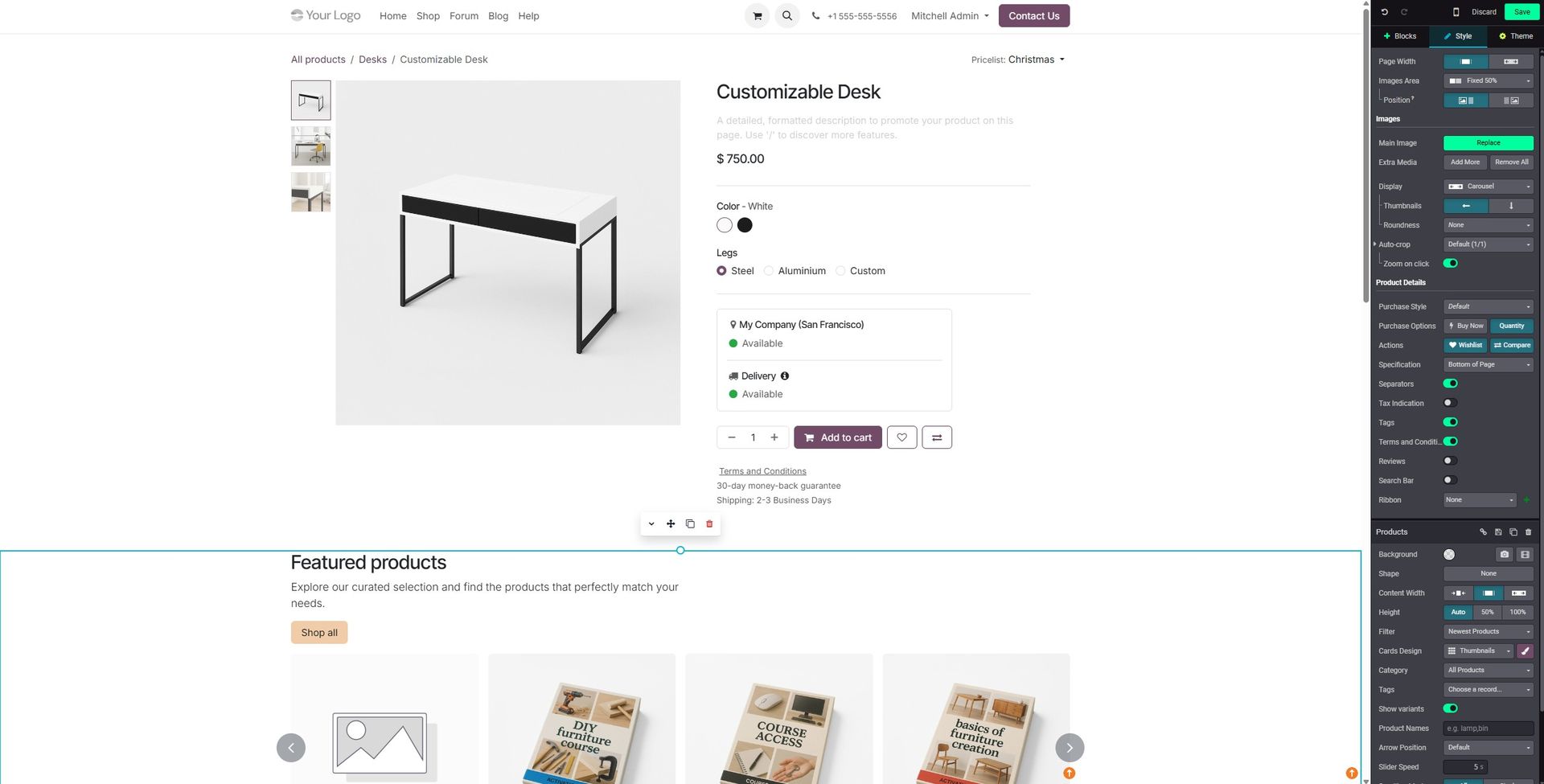
- Storefront Agility: Launch and adapt storefronts quickly without development bottlenecks. Teams respond faster to market shifts, campaigns, and change.
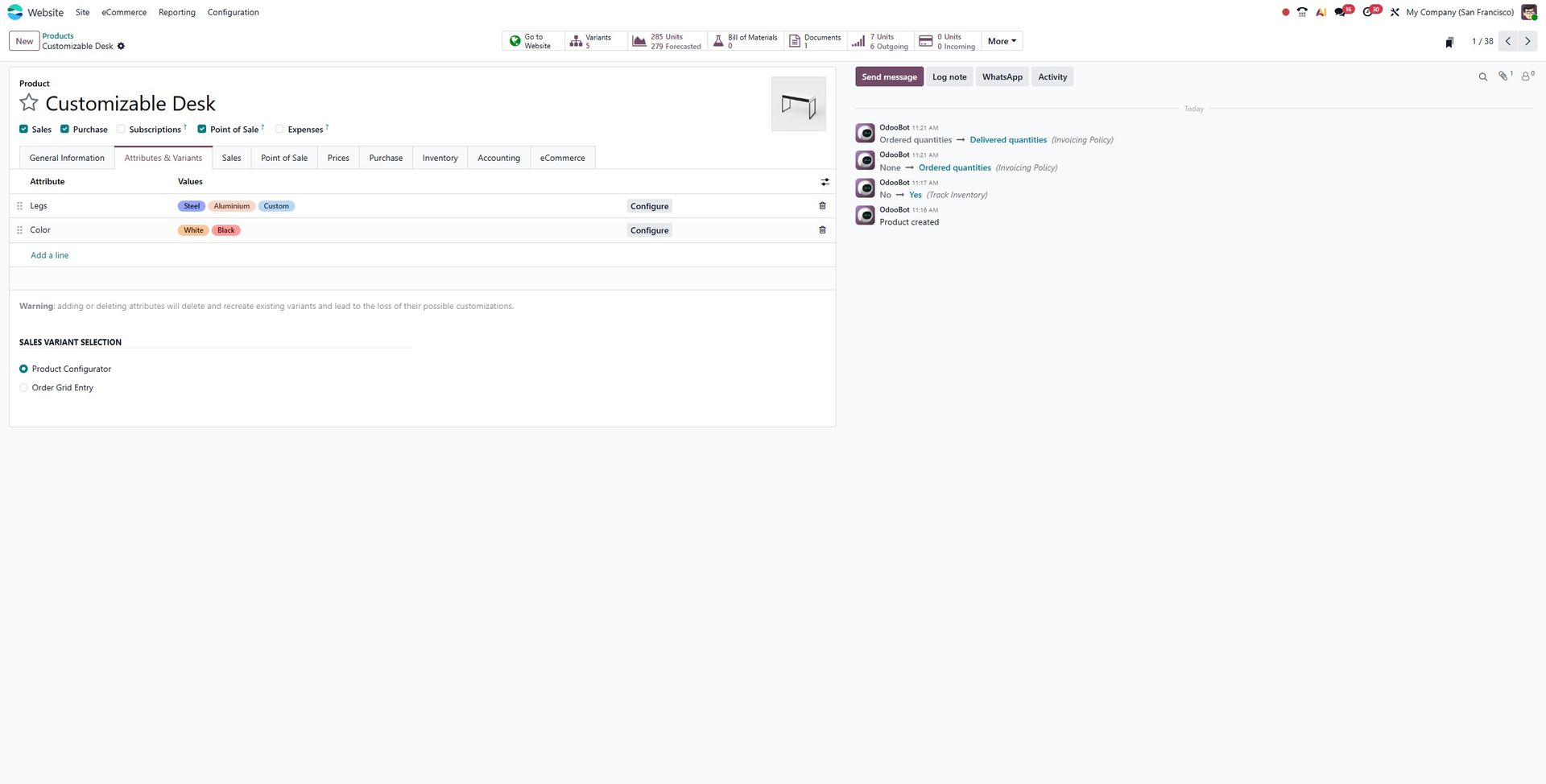
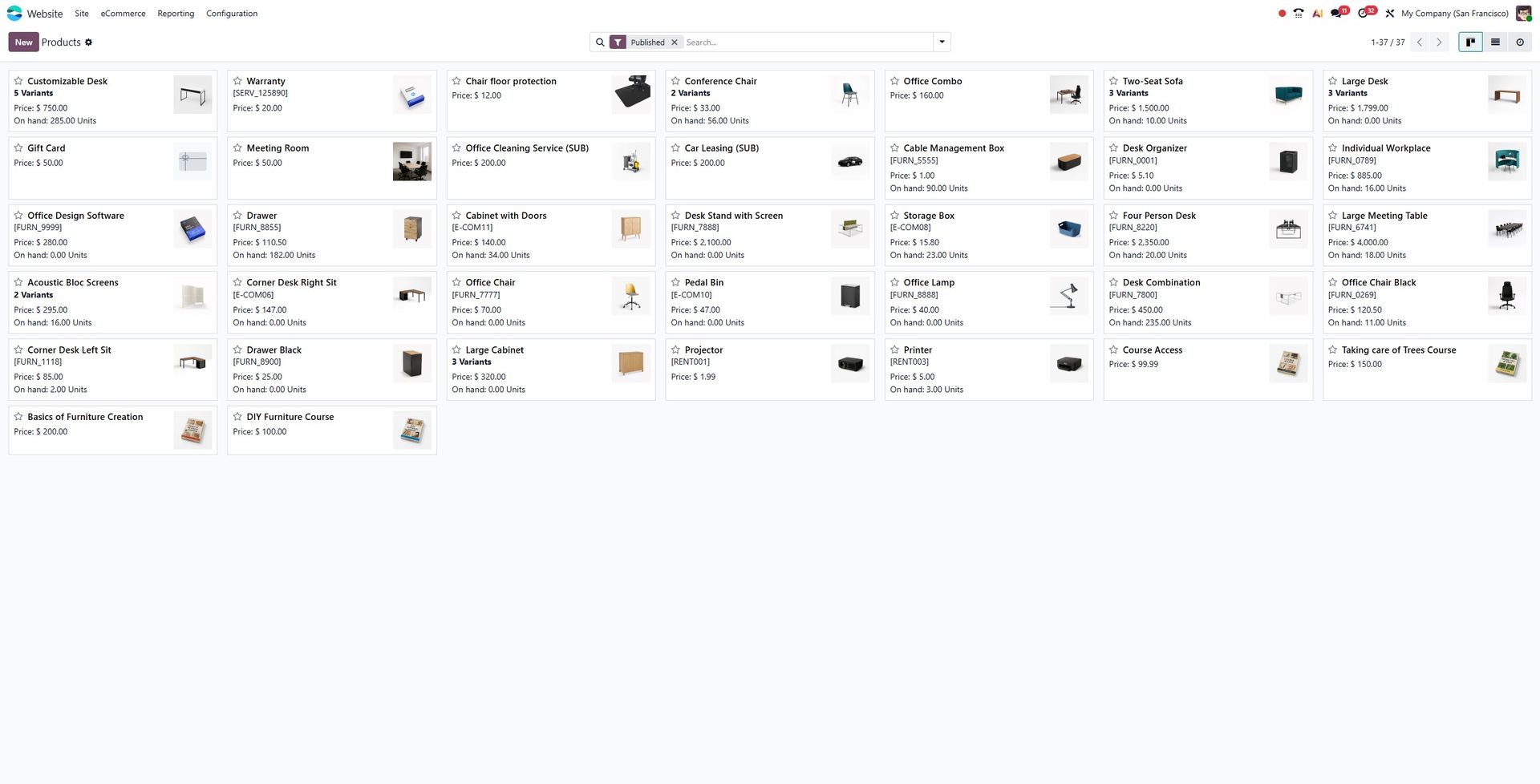
- Catalog & Variant Governance: Centralize products, attributes, and variants in one system to keep webshop, fulfillment, and finance aligned as complexity grows.
- Multi-Store & Market Control: Operate multiple websites, brands, and markets while maintaining central governance and local flexibility.
Capture Demand &
Convert Orders
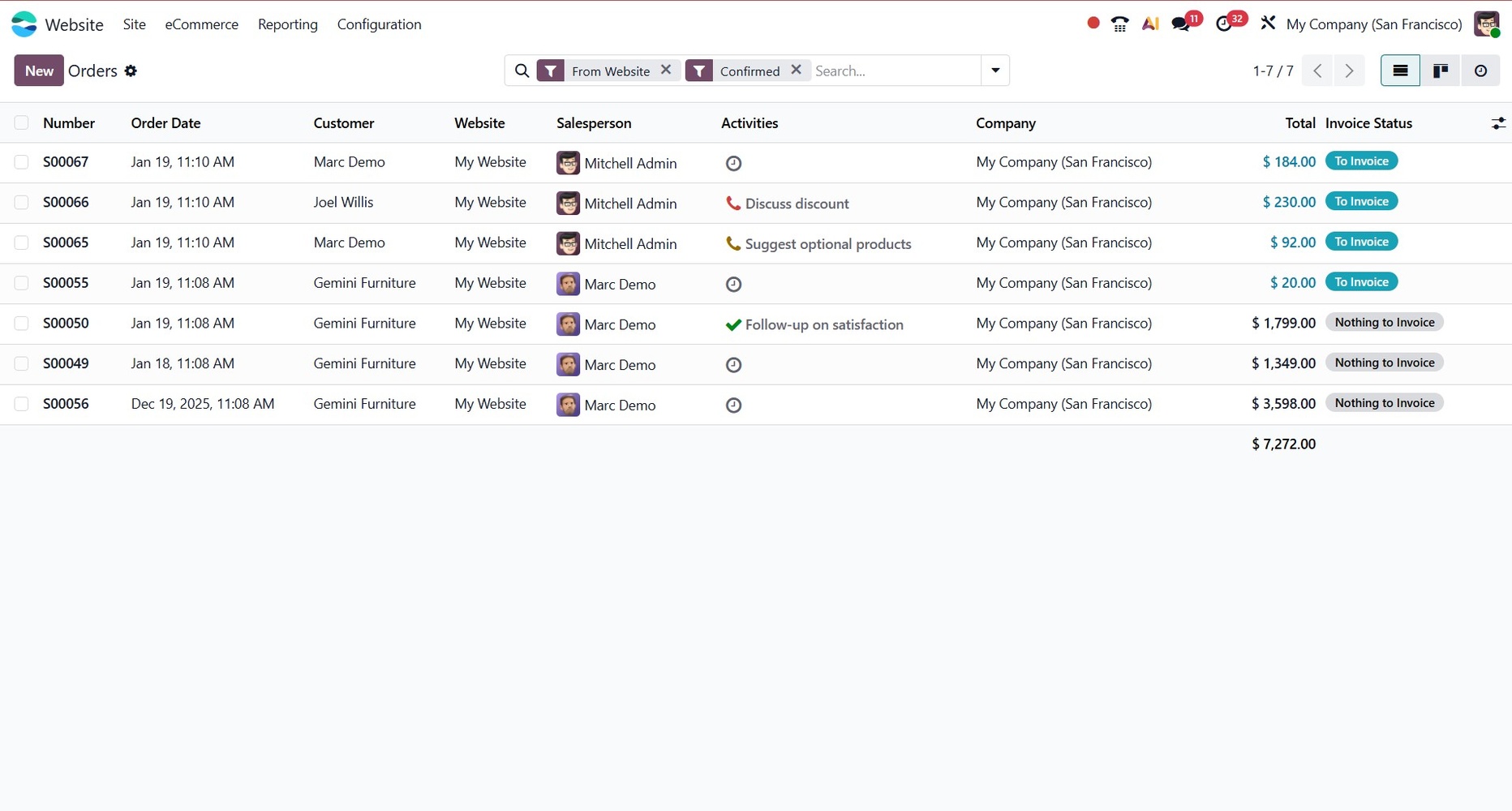
- Webshop Order Intake: Capture every online purchase as a structured sales order in one system, ready for fulfillment without manual handovers.
- Pricing & Conditions: Apply customer-specific price lists, taxes, and terms at checkout to keep B2B and B2C rules consistent.
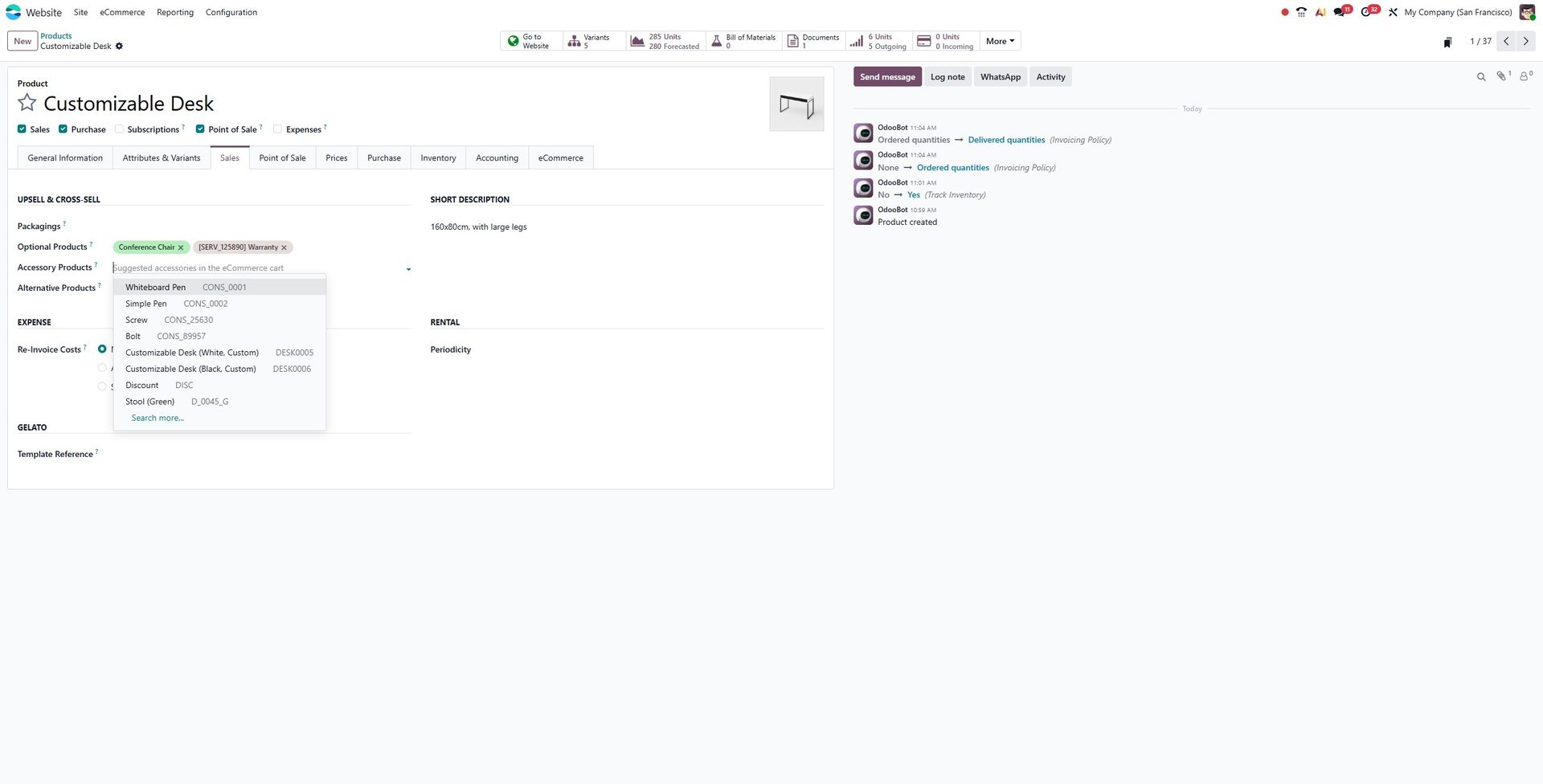
- Commercial Optimization: Surface accessories and alternatives in the buying flow to lift average order value without adding separate tools.
Plan Fulfillment &
Allocate Stock
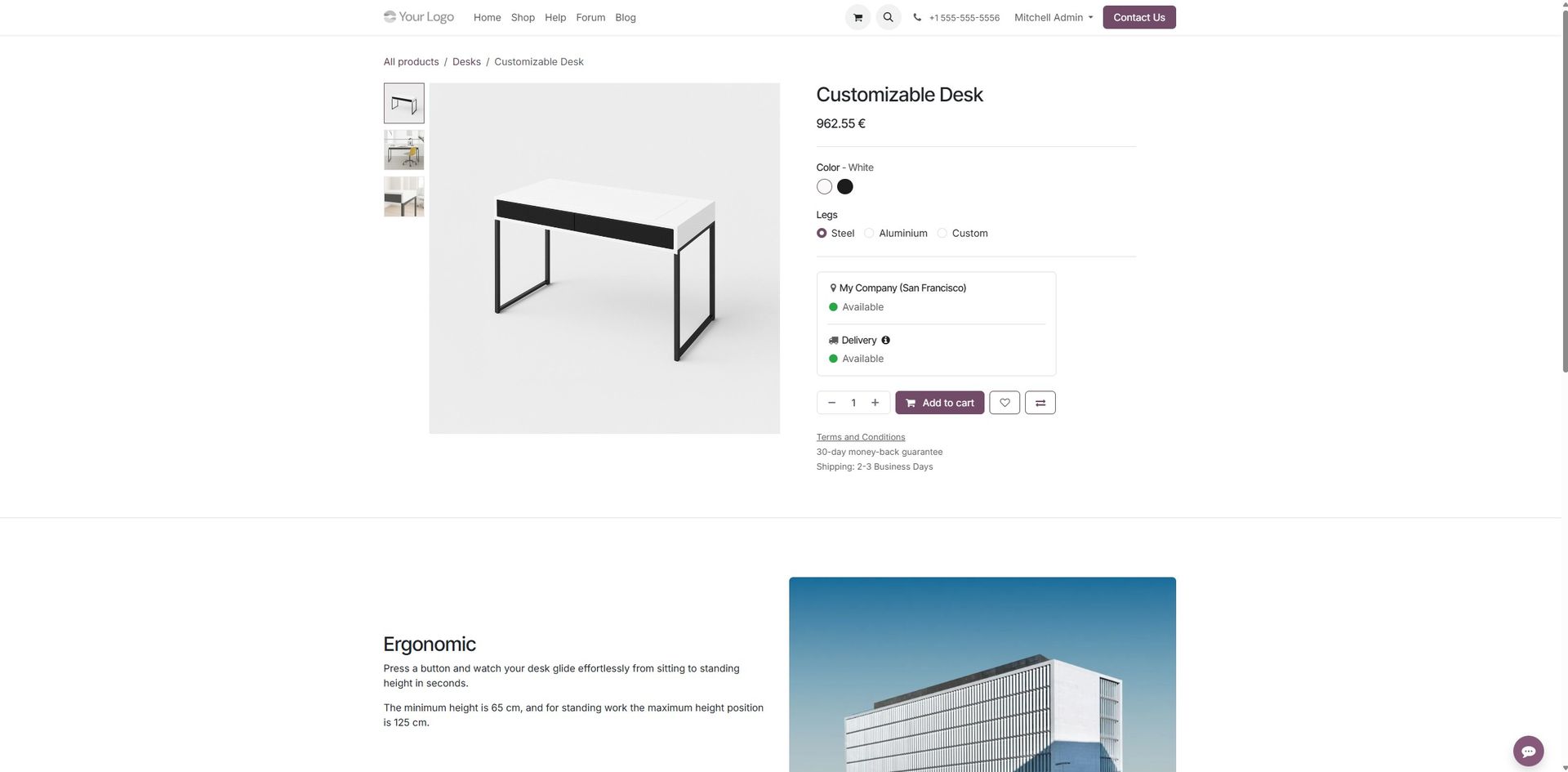
- Real-Time Availability: Show availability based on live stock, so customers only buy what you can actually deliver.
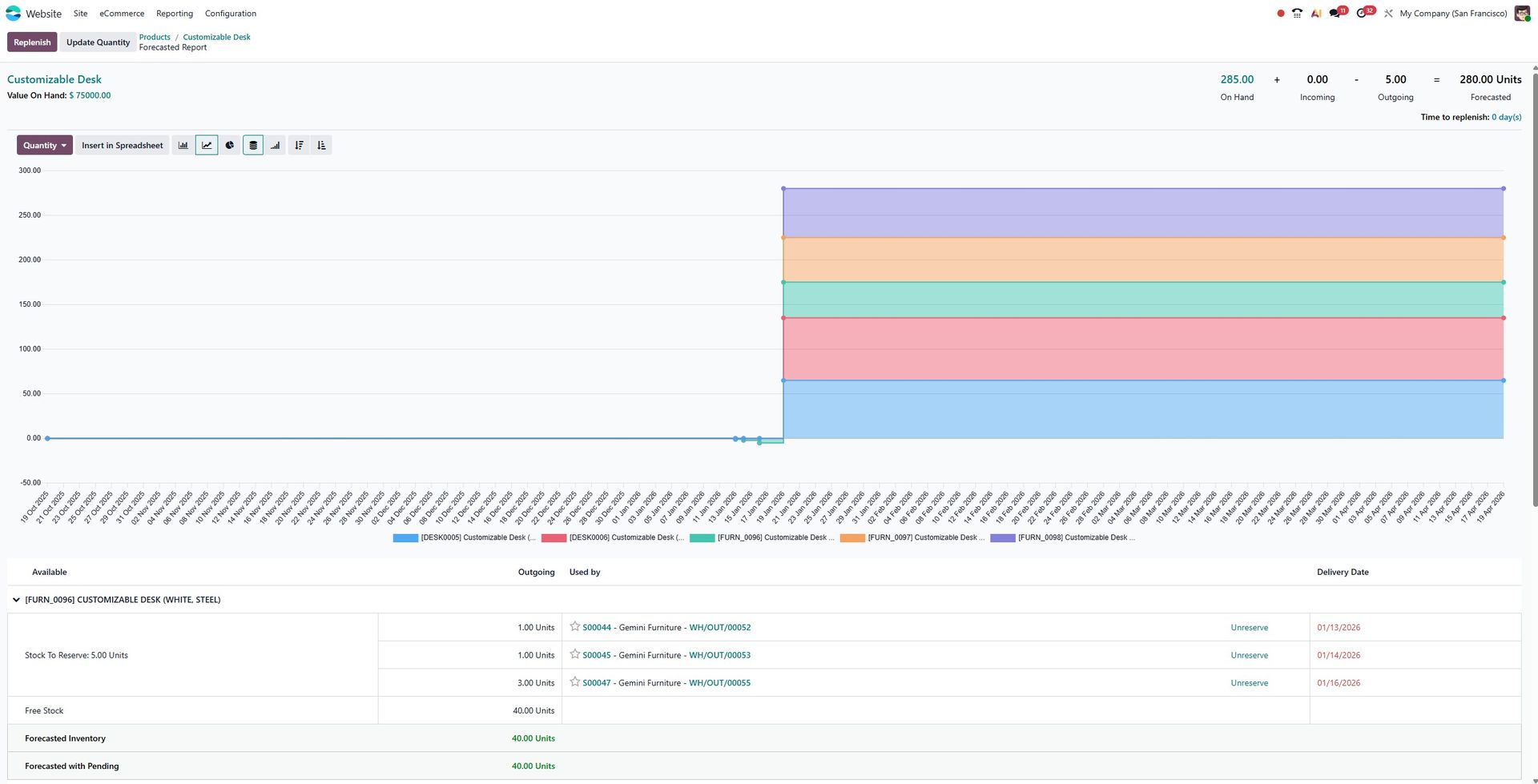
- Stock Reservation: Reserve inventory immediately when the order is placed to prevent double-selling across channels and warehouses.
- Multi-Warehouse Logic: Route orders to the best warehouse based on location, stock, and the fulfillment rules you define.
Execute Fulfillment & Shipping
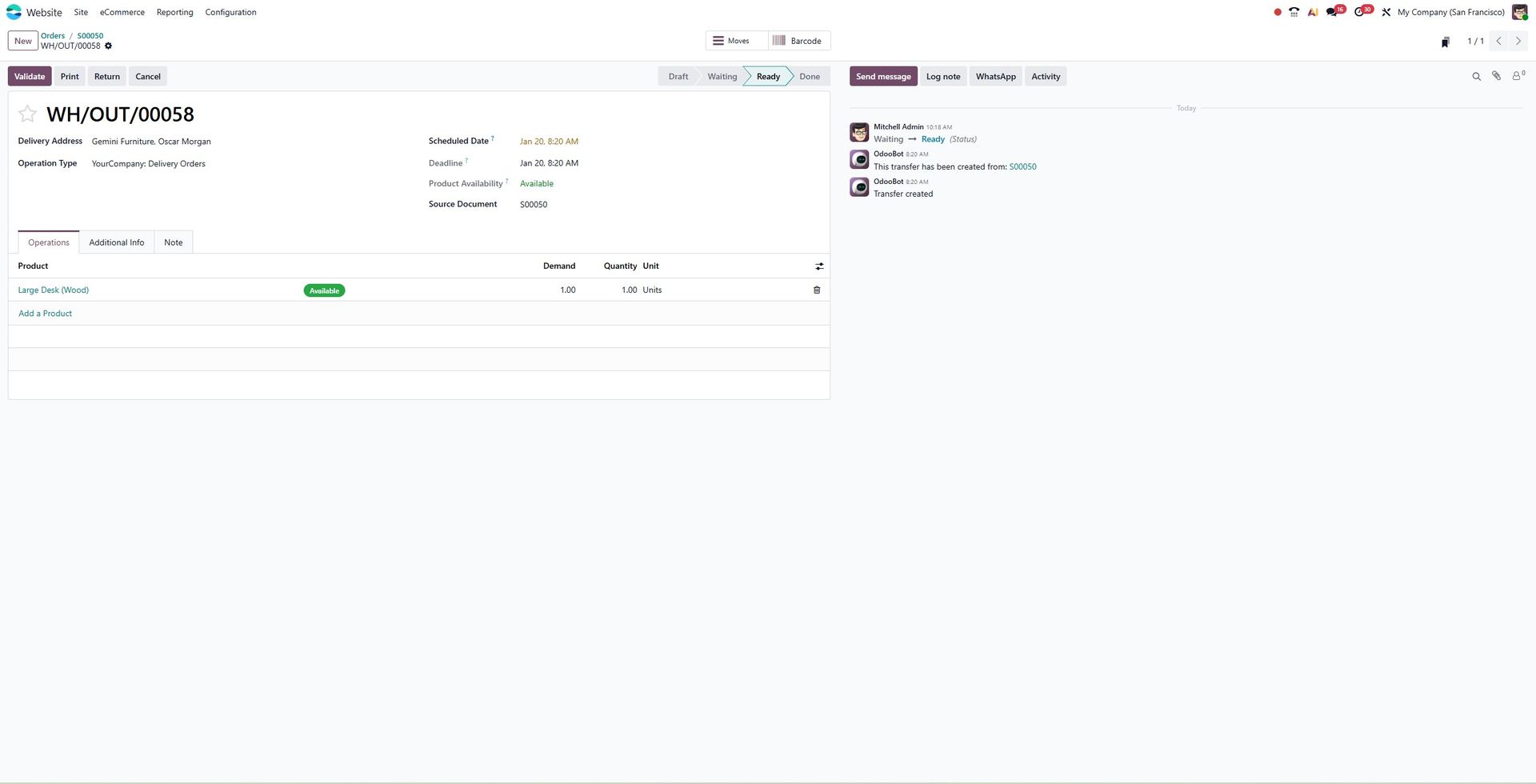
- Warehouse Execution: Run picking and packing with clear priorities and live status visibility to meet delivery promises at scale.
- Shipping & Tracking: Generate labels and tracking through carrier connections, linked directly to each order for operational clarity.
-
Customer Portal: Keep customers informed with consistent delivery updates and tracking from the same system.
Invoice & Secure Revenue
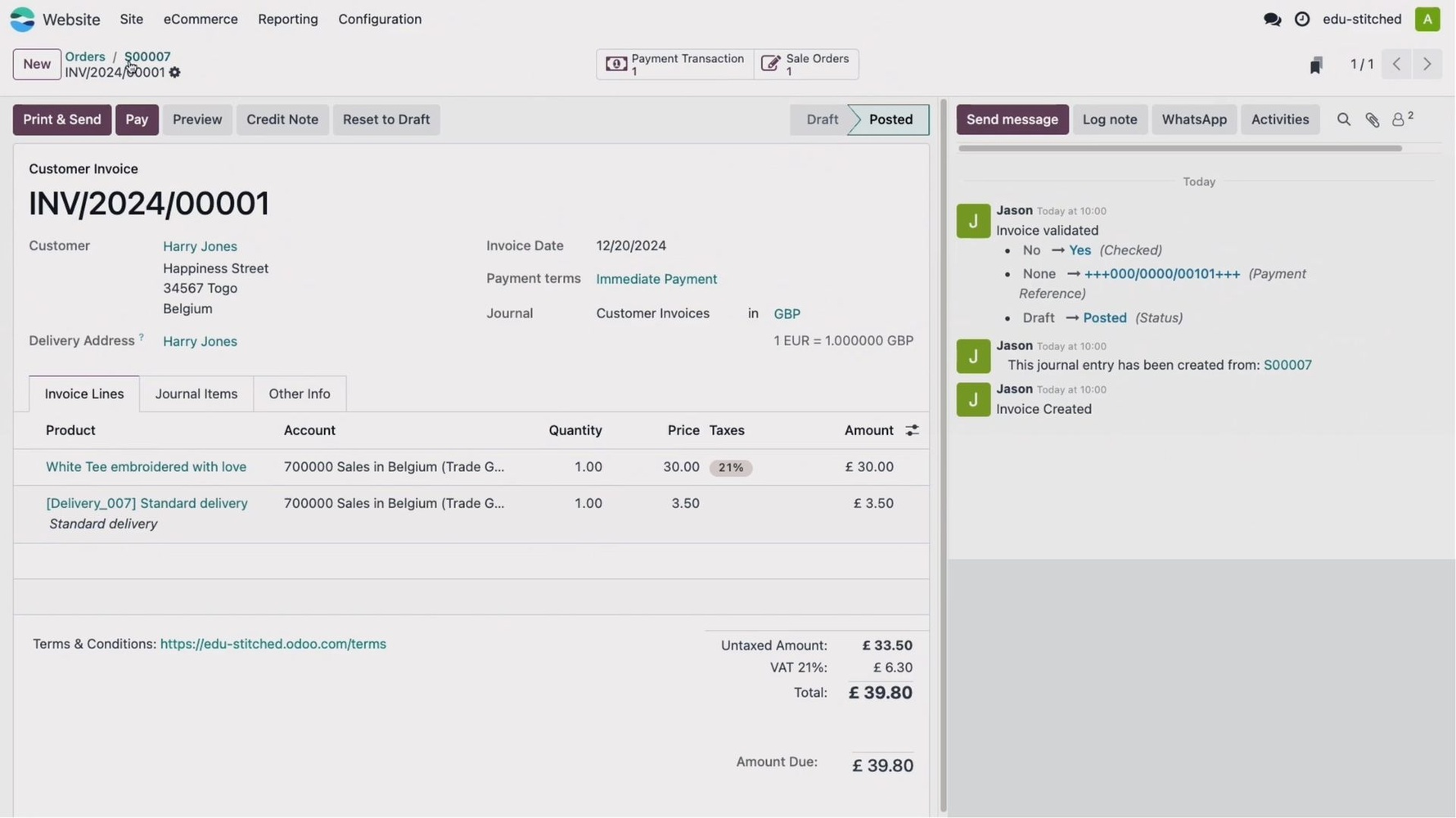
- Automated Invoicing: Create invoices directly from shipped or delivered orders to reduce manual finance work and billing errors.
-
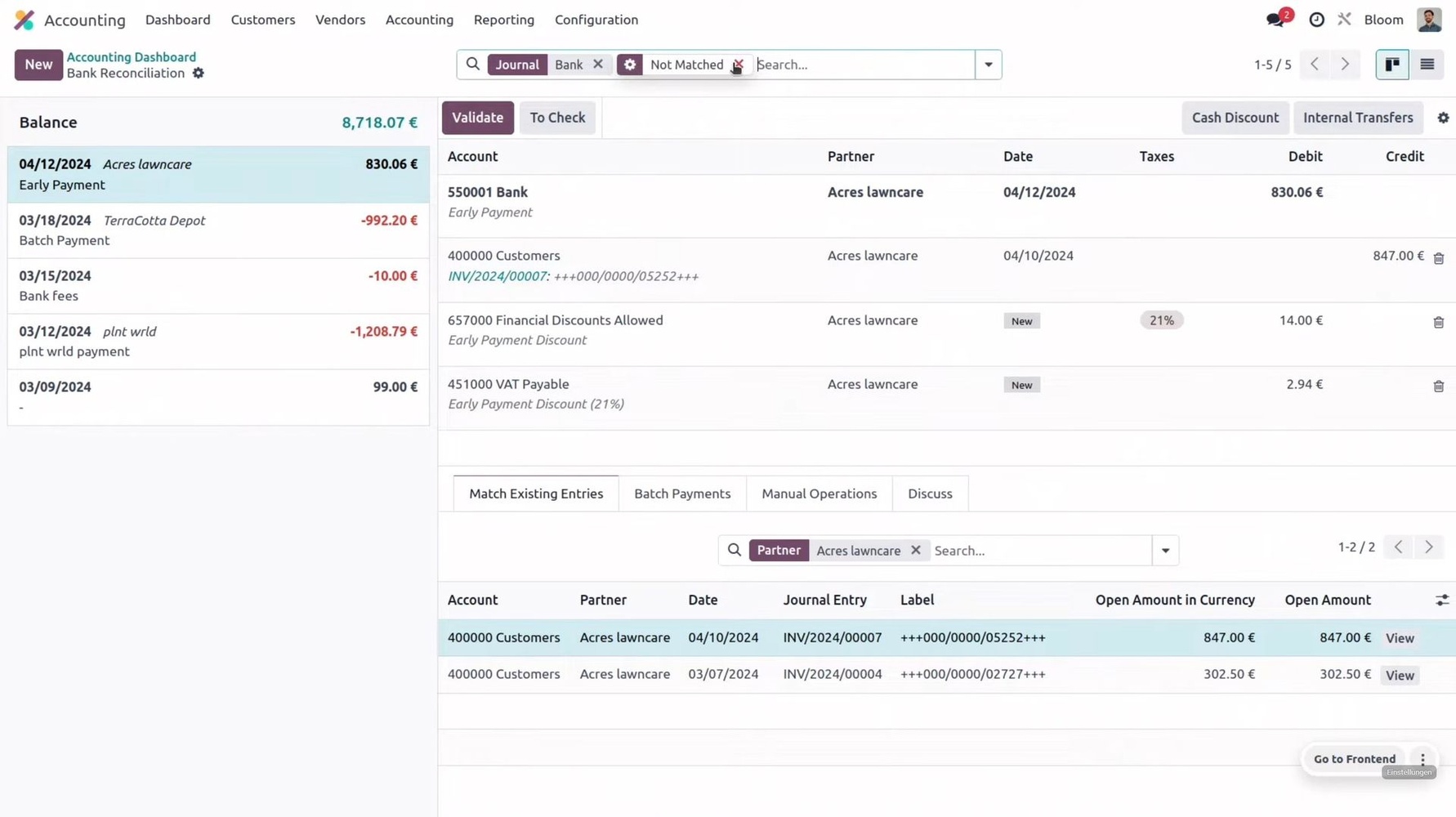
Payments: Connect common payment methods via providers and keep payment status tied to the invoice lifecycle.
- Reconciliation: Match payments to invoices efficiently, improving finance accuracy and cash flow predictability.
Handle Exceptions & Returns
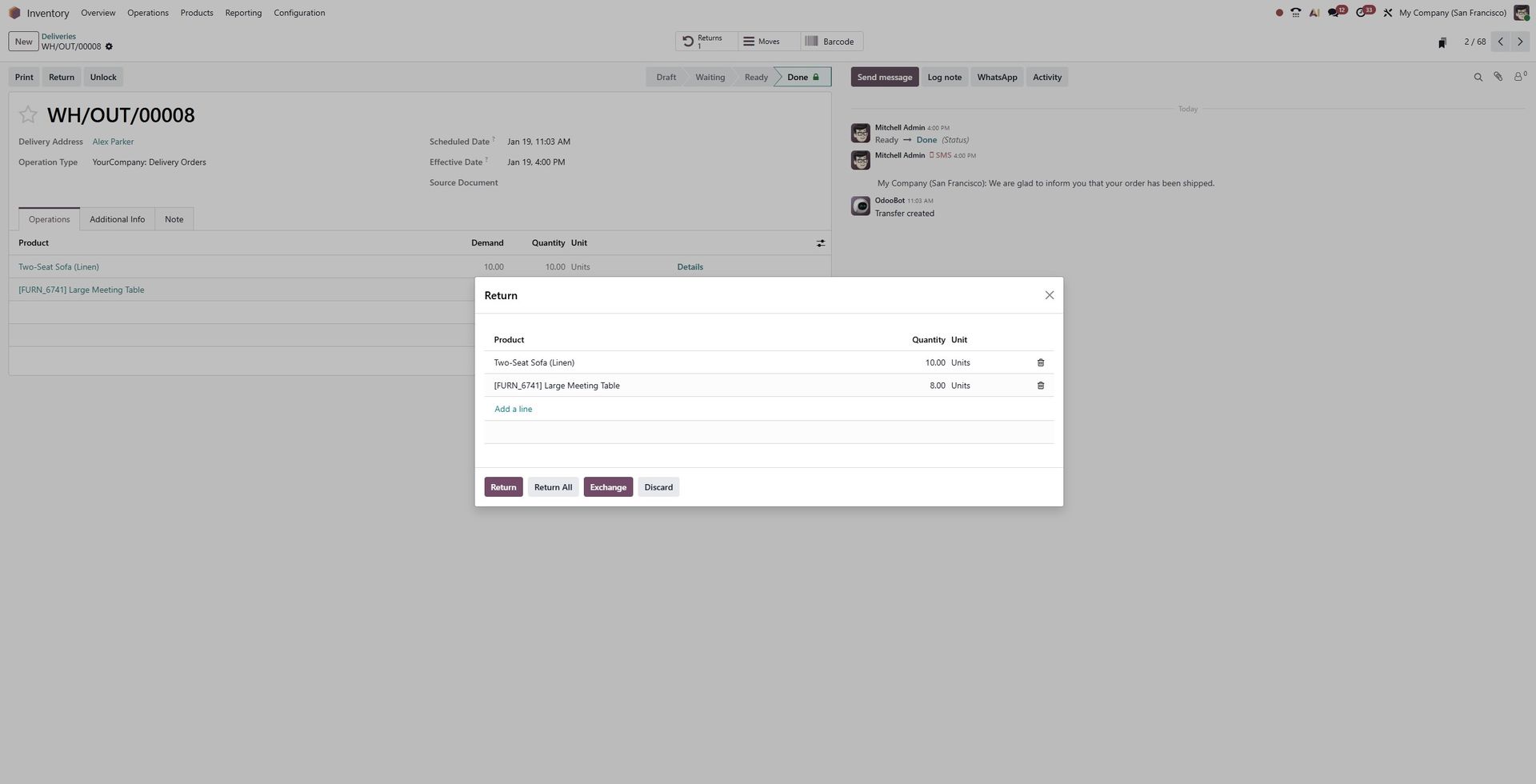
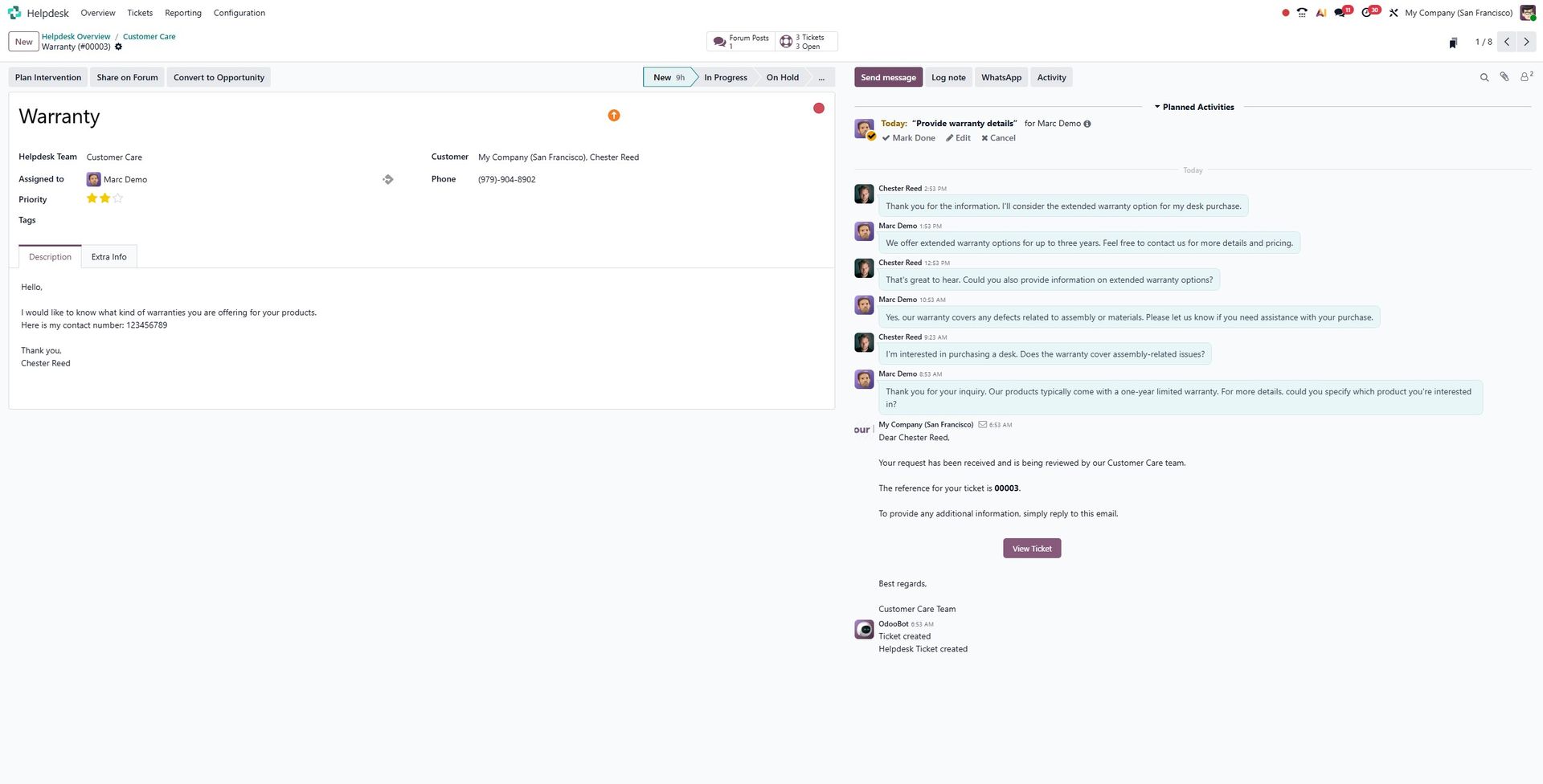
- Returns & Refunds: Manage returns and refunds in the same workflow, linked to the original order, delivery, and invoice.
-
Fulfillment Exceptions: Handle partial shipments, backorders, and stock issues with clear status control and auditability.
-
Customer Service Context: Give support the full order history and status to resolve issues faster and protect retention.
Analyze Performance & Control Profitability
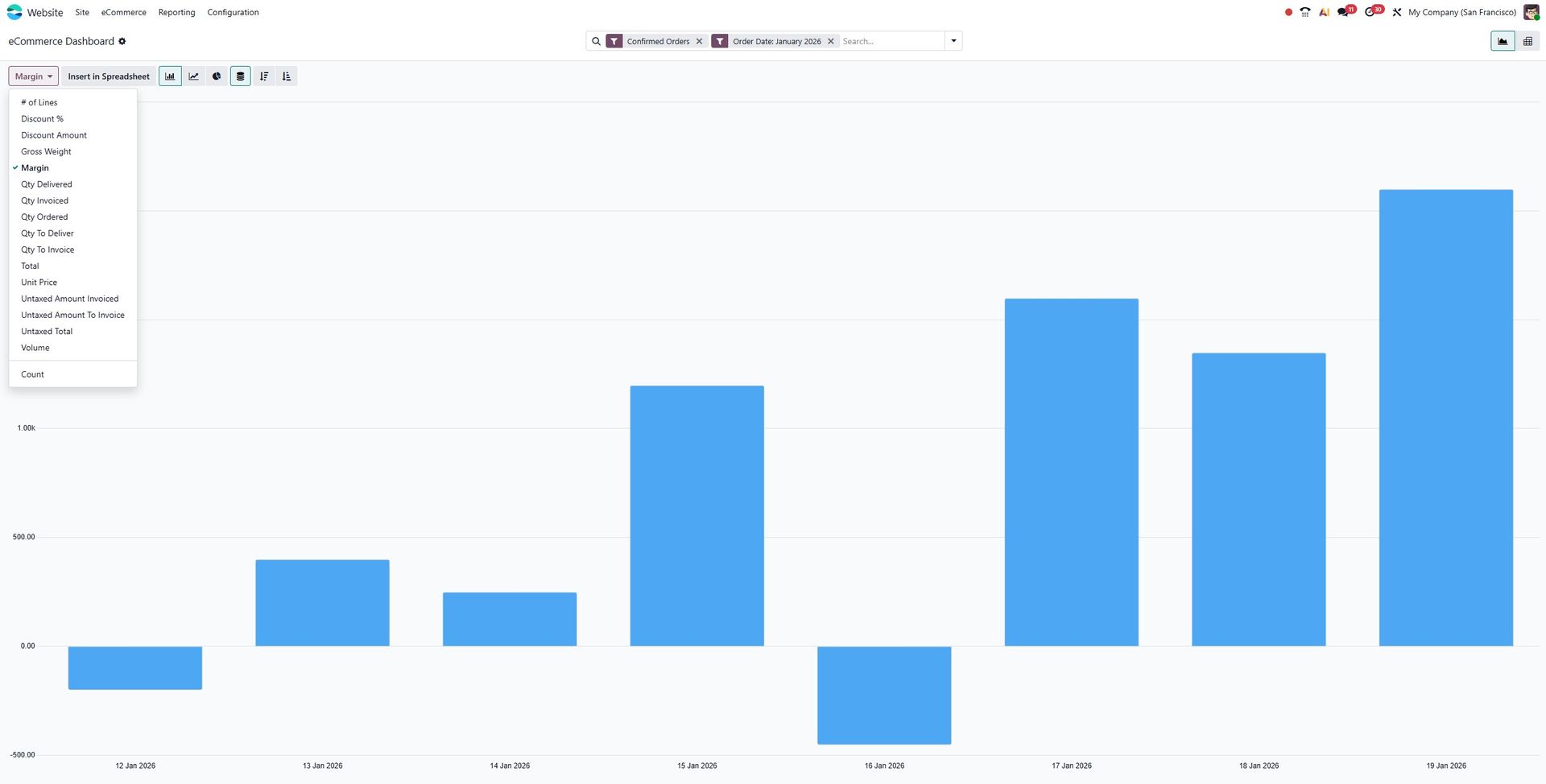
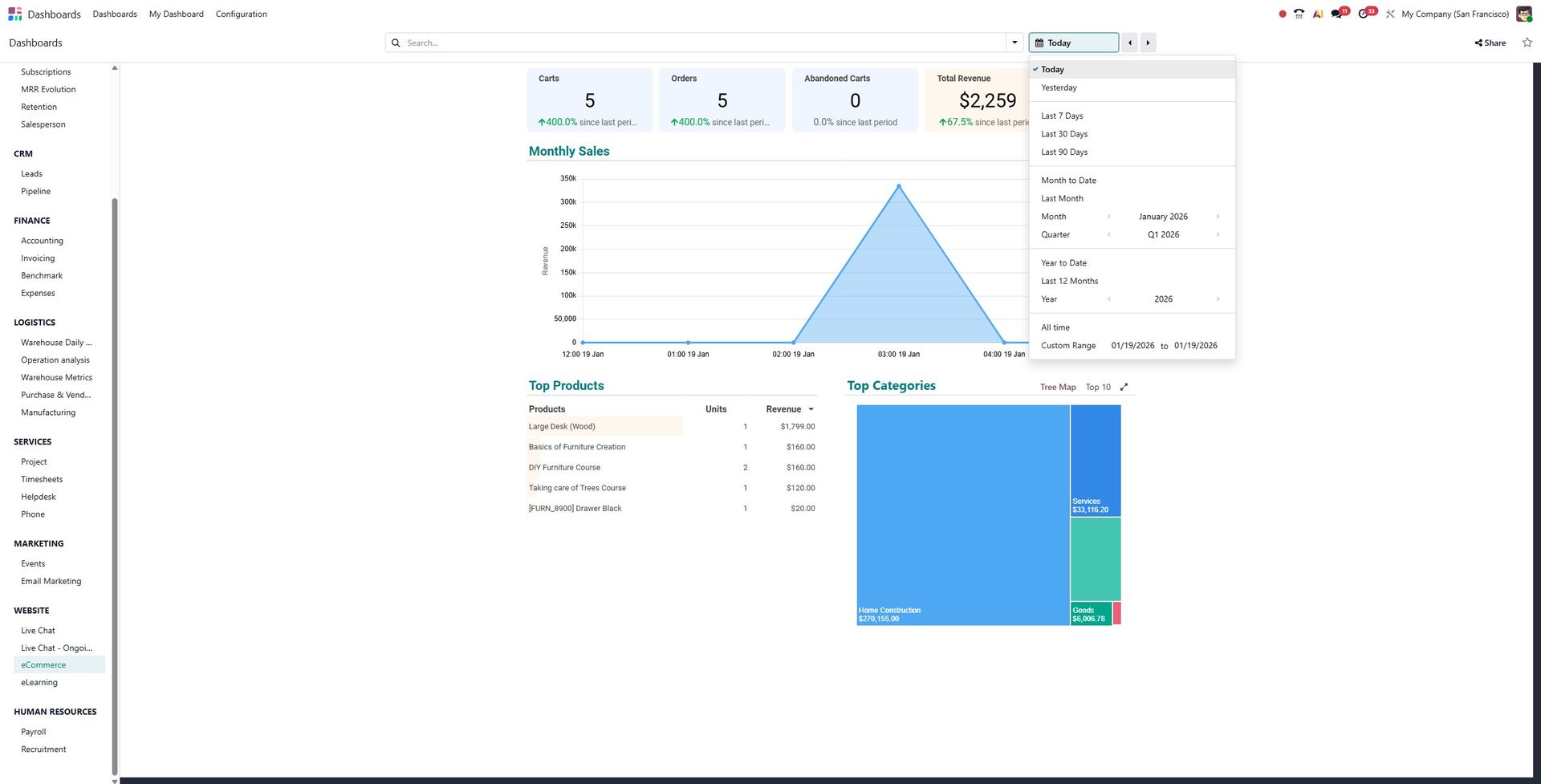
- Margin Visibility: Monitor profitability by product, channel, customer segment, or market to detect margin leakage early.
- Inventory Exposure: Track slow movers, stockouts, and availability risks that directly impact revenue and customer experience.
- Executive Dashboards: Consolidate commerce, operations, and finance KPIs in one view for faster, better decisions.
Extensive Integration Options
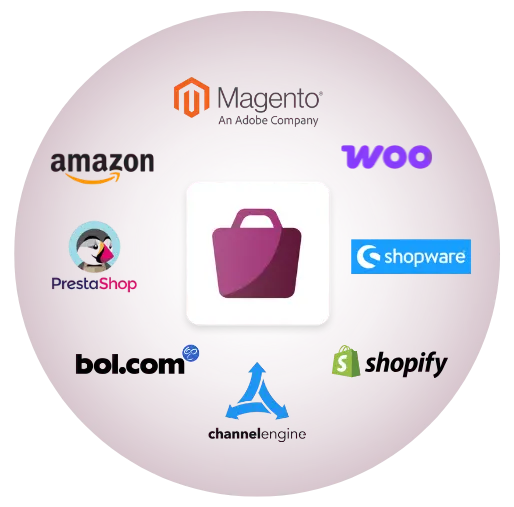
Odoo can be connected to almost any external system through standard connectors, partner integrations, or API interfaces:
- E-Commerce Platforms: Shopify, WooCommerce, Magento, PrestaShop, Shopware
- Marketplaces: Amazon, eBay, BOL, OTTO, Walmart, Zalando
- Payments: PayPal, Stripe, Adyen, Mollie, Authorize.Net
- Shipping: DHL, UPS, FedEx, USPS, Sendcloud, ShippyPro
- Accounting: QuickBooks, Xero
- CRM / Marketing: Salesforce, HubSpot, Mailchimp
- and many more..
Ready to Transform Your Business with Odoo?
As a leading Odoo Gold Partner, OBS Solutions helps e-commerce companies reduce operational complexity and scale for the long term.
- We implement Odoo: With proven eCommerce experience, we set up Odoo around your operating model, ensuring clean processes from order to delivery, invoicing, and reporting.
- We support global rollouts: As co-founder of the Best Odoo Partner Alliance, we deliver seamless multinational implementations - with standardized processes, local compliance, and success across all sites.
- We are your long-term partner: With proactive support and tailored training, we make sure your teams use Odoo to its full potential.
Let’s talk! Our experts are ready to help.
Book a Free Live Demo Get in Touch

Extend Odoo as Your Business Grows
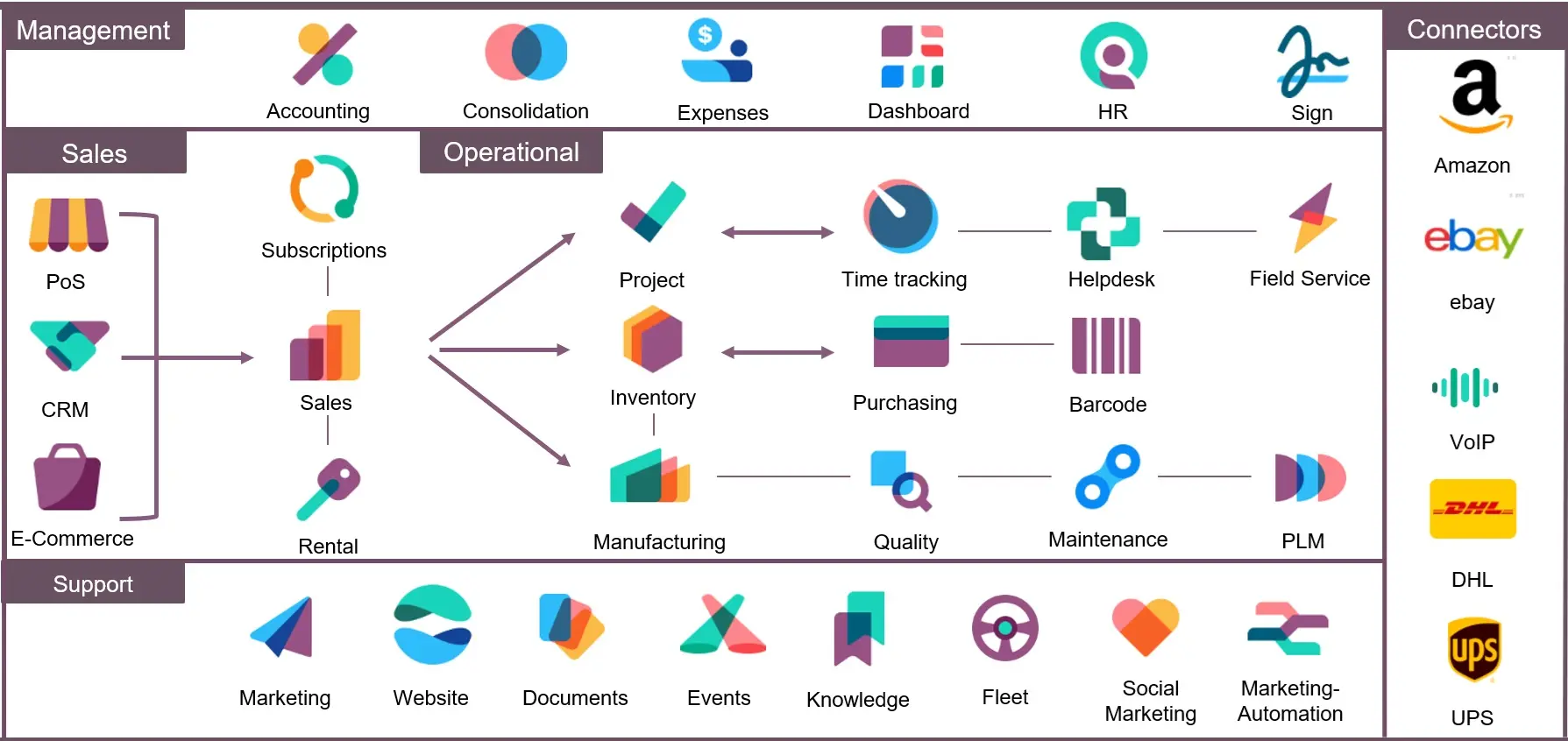
Odoo is fully modular, allowing eCommerce companies to extend beyond core commerce and fulfillment into additional business-critical areas as operational complexity increases - while keeping all processes in one integrated system.
Popular Odoo Apps for Growing
eCommerce Companies
- Purchase: Centralize supplier sourcing and replenishment to maintain product availability.
- Planning: Align demand forecasts, inventory, and capacity to reduce stockouts, overstocks, and reactive firefighting.
- Marketing Automation: Plan and automate newsletters, campaigns, and audience segmentation to deliver personalized communication across the customer lifecycle.
- Helpdesk: Manage customer inquiries, delivery issues, and returns in one system.
Ready to See What Odoo Can Do For Your Business?
Book a free online appointment for a guided demo – we’ll walk you through the system, explore your use cases, and answer your questions. Or prefer to try it yourself first? Start a 30-day trial and explore Odoo at your own pace.
Frequently Asked Questions
Odoo connects webshop, inventory, finance, and customer operations in one platform. This removes integration overhead, eliminates duplicated data, and gives executives a single source of truth from order to cash.
Odoo eCommerce differs from platforms like Shopify or WooCommerce by being a native part of an ERP. It integrates webshop, inventory, accounting, and CRM in one system, making it ideal for B2B, hybrid, or complex operations.
Odoo eCommerce combines a drag-and-drop store builder with catalog and variant management, optimized checkout, and integrated payments and shipping. Its main advantage is native ERP integration - inventory, sales/CRM, accounting, marketing, analytics, multi-store, and multi-language/currency in one platform.
An Odoo e-commerce website typically requires the core Website and E-commerce modules. To scale competitively, businesses often add payment and shipping integrations, marketing automation, and CRM or customer service.
Orders, customers, stock, prices, deliveries, invoices, and payments live in one system and follow one workflow. Reporting is based on live process data, not reconciled spreadsheets or disconnected dashboards.
Yes. Odoo supports public B2C stores and B2B experiences with logins, customer-specific price lists, and terms, using one shared operational and financial backbone.
Yes. Odoo supports multi-website, multi-country, and multi-company structures with centralized governance. This enables shared standards and local autonomy without rebuilding the system as complexity increases.
Odoo supports delivery methods, carrier integration, tracking, returns, and refunds within one flow. This creates clear traceability across operations and finance, improving customer experience and financial control.
Odoo supports SEO through clean URLs, page-level meta controls, automatic sitemaps, and multilingual SEO with hreflang tags. Its integrated structure ensures consistent indexable content across products, categories, and storefronts as the shop scales.
Successful Odoo setups prioritize standard functionality and apply customization only where it creates clear business value. This approach keeps the system upgrade-safe and avoids long-term complexity.
Implementation timelines vary by scope, but many eCommerce companies go live in phased releases within a few months. A structured rollout that validates core flows first (pricing, fulfillment, invoicing, returns) reduces risk and accelerates value creation.
